
Jinshan Tools / Applications
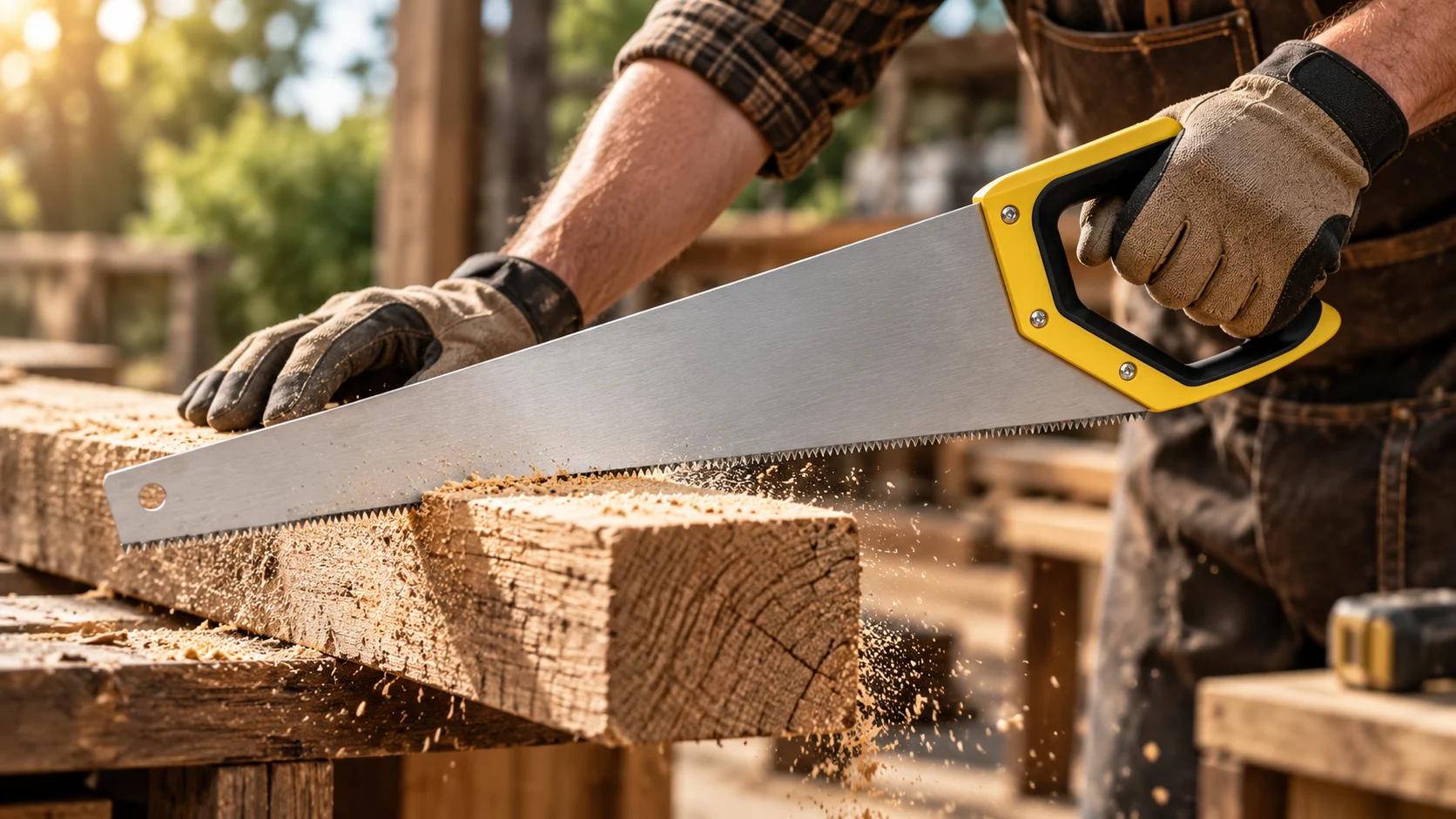
Hand Saws for Woodworking
Build a range around the cuts, materials and blade formats your customers need.
Workpiece and cutting requirements
Name the material, describe the cut and note any space restrictions. These details are more useful than choosing by blade appearance alone.
| Task | What to confirm | Explore a format |
|---|---|---|
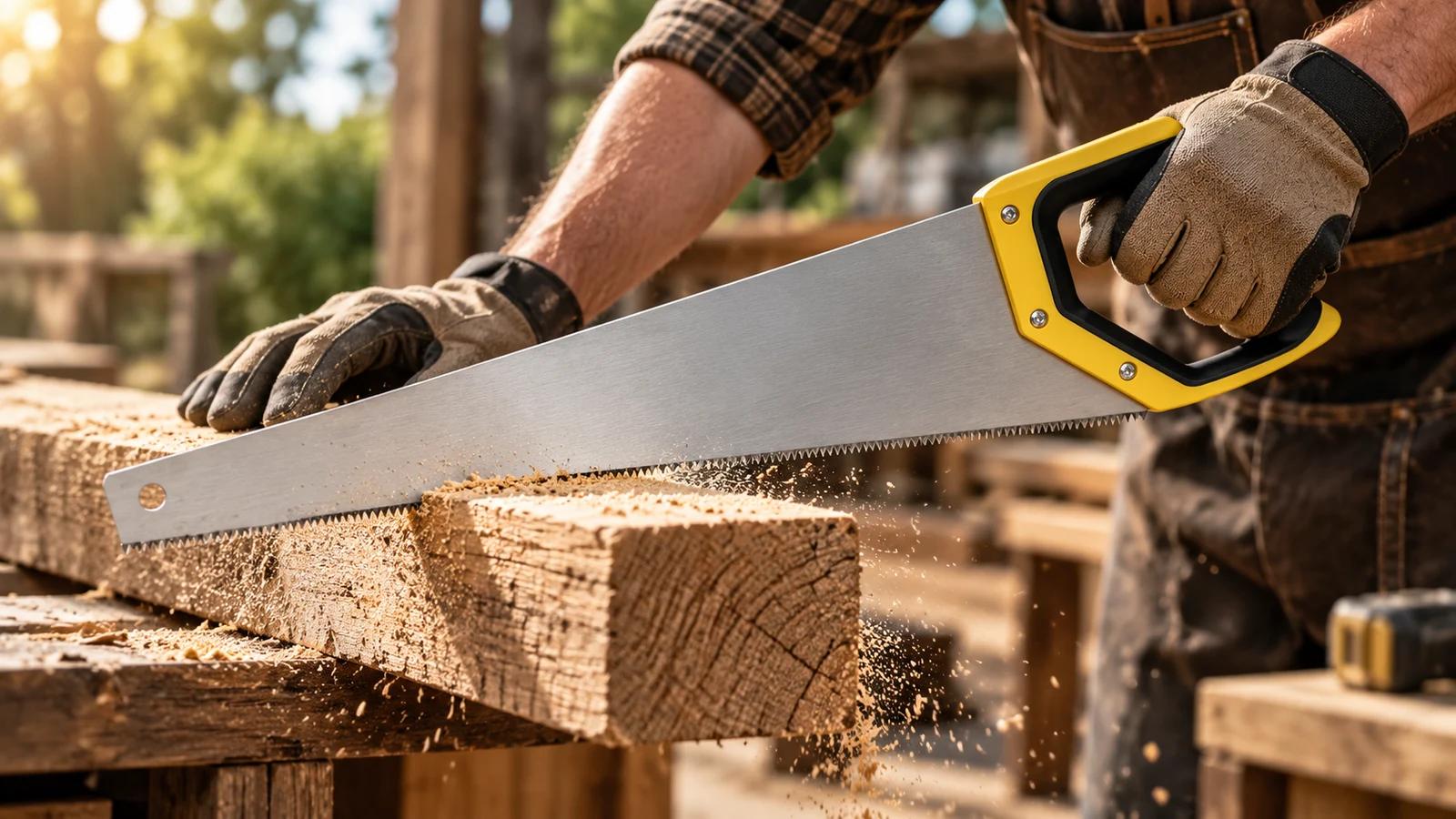
| Panel and general woodwork | Review the handsaw range and confirm the intended workpiece. | Handsaws |
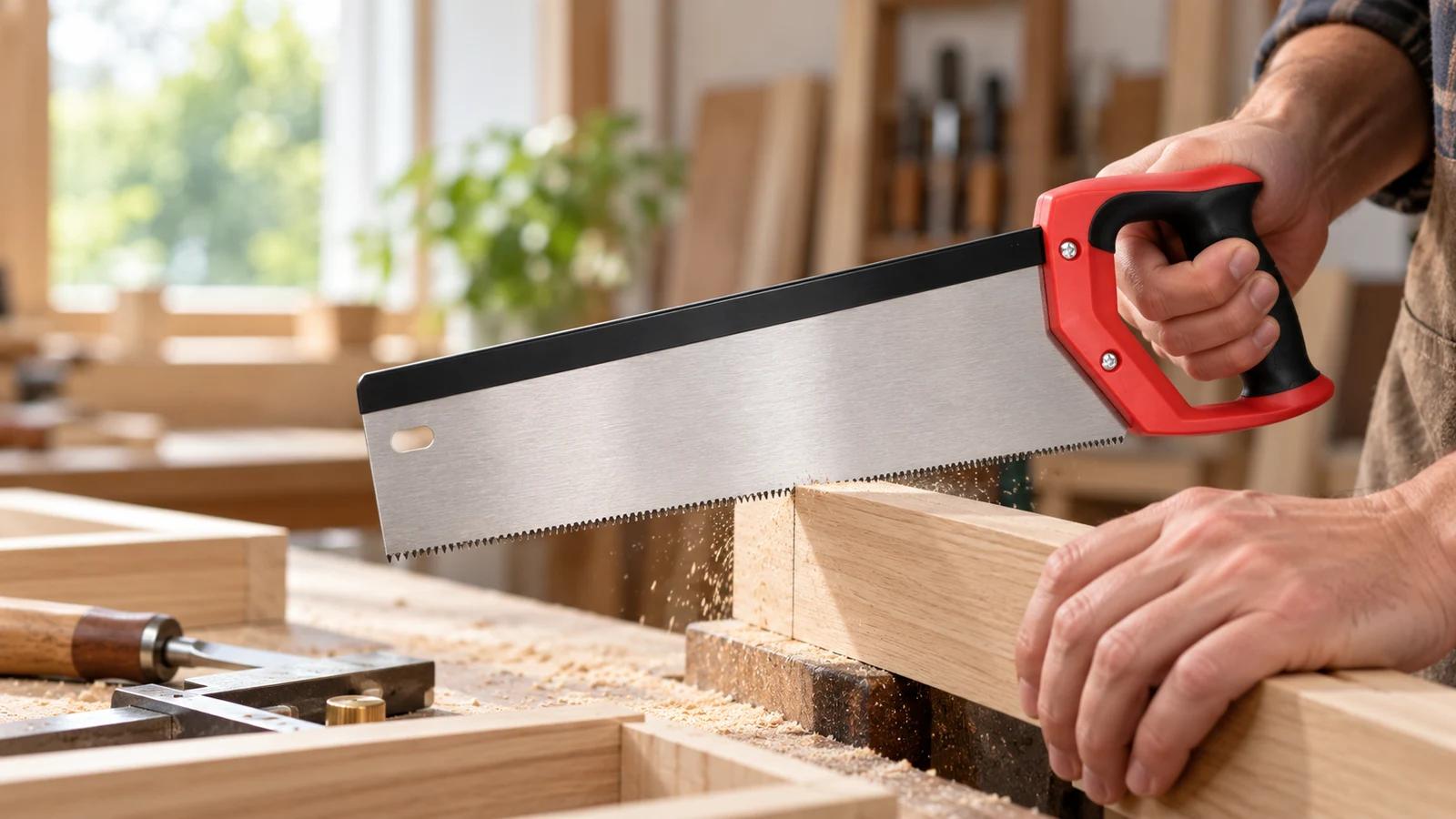
| Backed-blade requirements | Check the reinforced spine, working depth and required cut. | Back Saws |
| Alternative blade formats | Compare the single- and double-sided options against your cutting requirements. | Japanese-Style Saws |
Visible details still need model confirmation
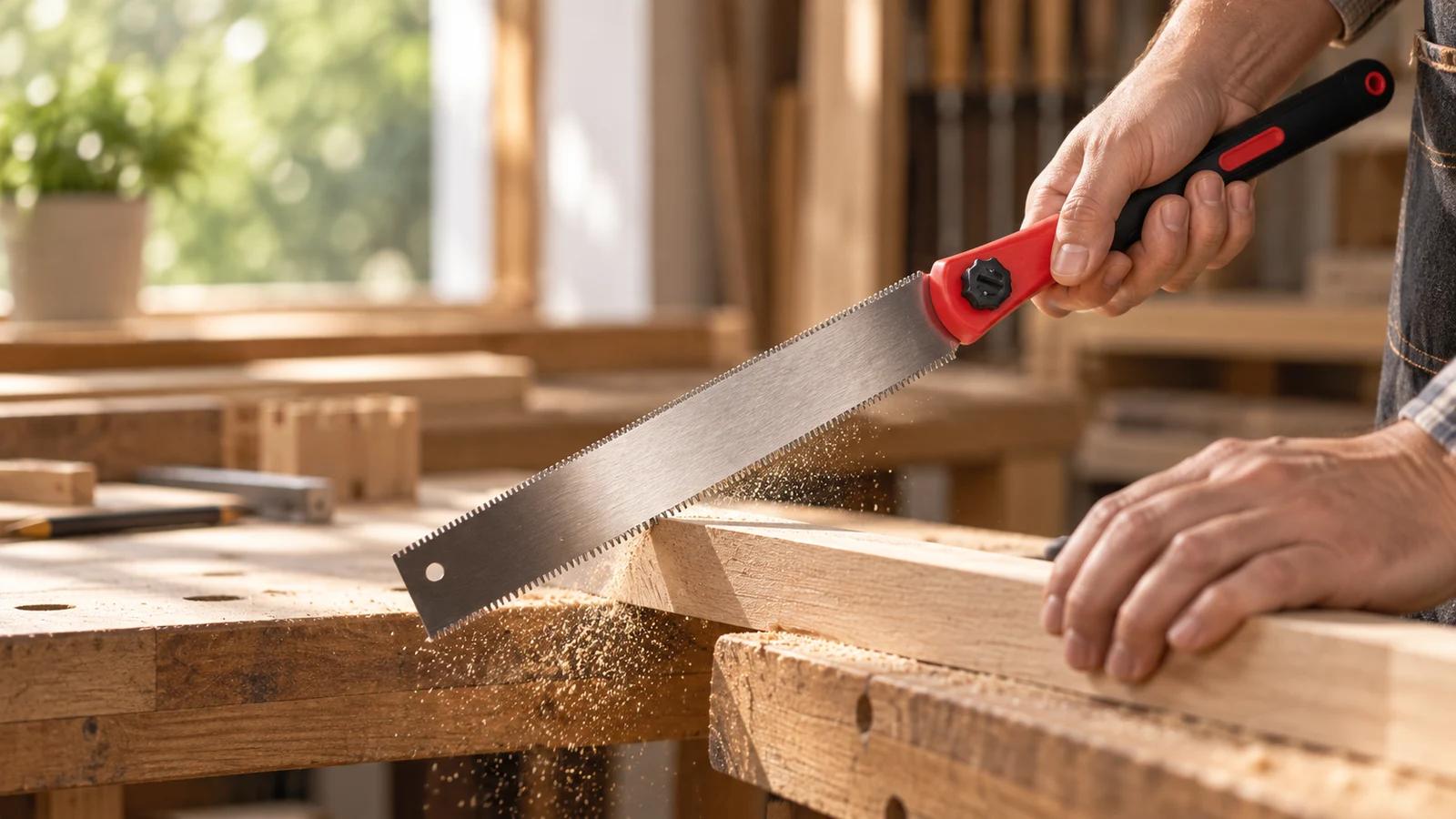
Use the photograph to identify the structure, then request the dimensions, material information and tooth details for the exact model.
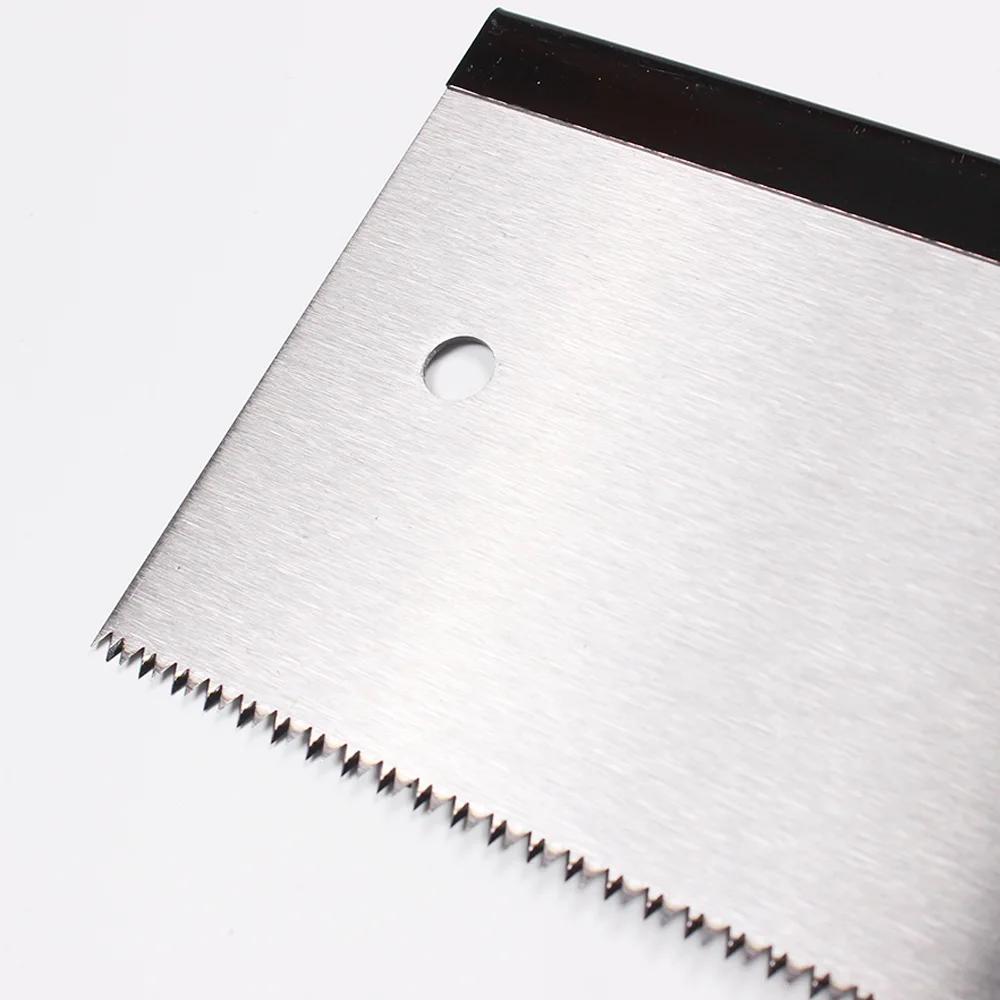
The spine is part of the selection
Compare the visible reinforced back and handle format. Cutting depth, blade dimensions and tooth details need model-specific confirmation.
Single- and double-sided formats
Identify the actual blade format and each cutting edge before choosing a model. Do not infer a tooth pattern or cutting direction from the category name alone.
Model-specific materials
Model-specific materials
Select woodworking saws for each cutting task
Link each workpiece to a product family, then keep the model reference attached to sample and repeat-order discussions.
Start with the workpiece and the range
Share the material, cut, channel and model families you are reviewing so the product discussion starts with a clear use case.